Floor Coating Questions, Answered Plainly
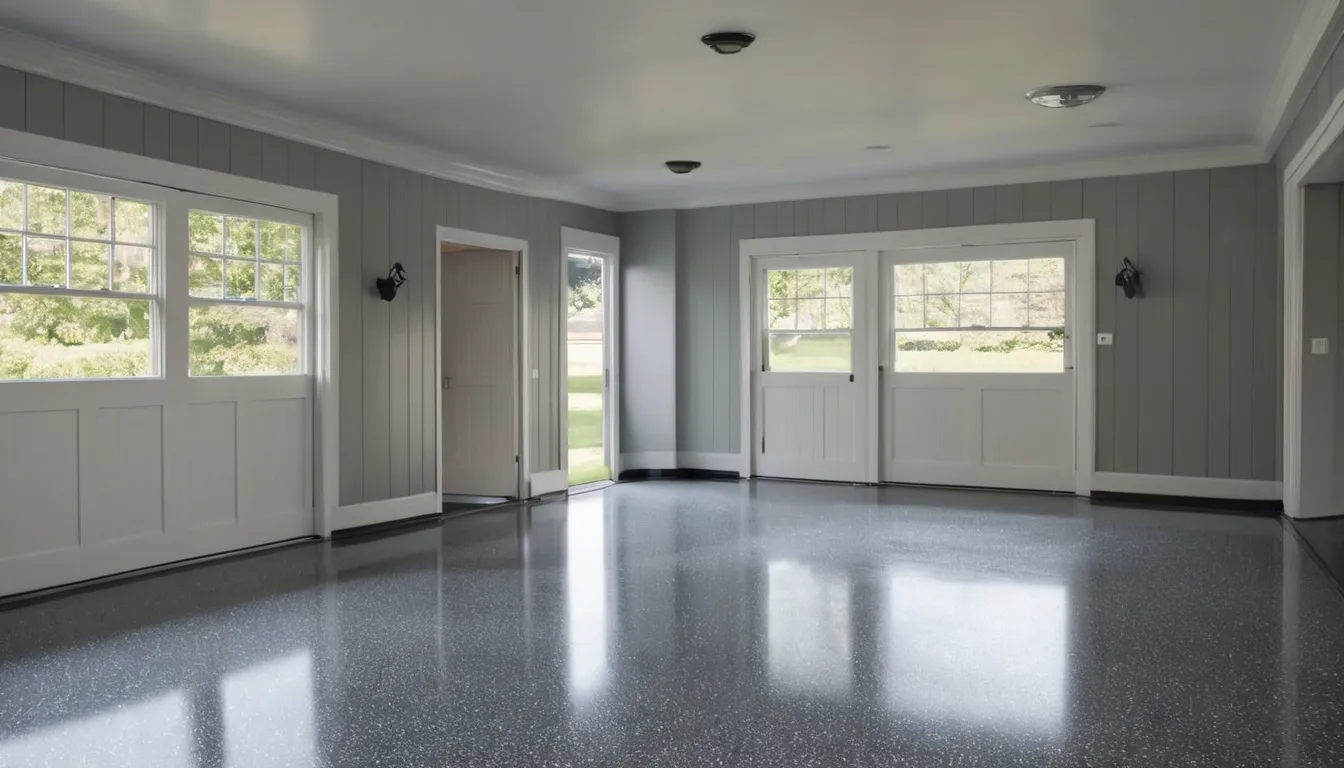
Answers to common questions
How long does an epoxy garage floor take to install?
Most garage floors take two to four days. The provider preps the slab, applies the coats, then lets it cure. Prep takes the longest. Older slabs may need extra patching first. Cure time matters too. Ask the provider when you can walk on it and when you can park on it.
How much does epoxy garage floor coating cost?
Typical U.S. prices run about $3 to $12 per square foot. Cost depends on slab condition, coating type and floor size. Older slabs with cracks or past repairs often cost more to prep. Prices vary by job, so get a written quote from the provider before work starts. Compare what each quote includes.
Why does an older house need a closer look first?
Old slabs hide things. You may find past patches, moisture, oil stains or old sealers. Any of these can make a new coating peel. A provider should look before coating. Then they can pick the right prep and product. Old slabs, honest answers. That is the goal.
Can you coat a floor with cracks or past repairs?
Often, yes. Small cracks can be filled and ground smooth. Larger cracks may point to a deeper problem, like settling or frost heave. The provider should tell you which is which. Old repair patches need a check too, since weak ones can lift under a new coating.
Will cold winters and freeze-thaw damage a coated floor?
A well-prepped floor handles cold well. Polyaspartic coatings are often chosen for cold garages because they cure in low temperatures. Moisture is the bigger risk. Snowmelt and damp slabs can cause bubbles. Ask the provider how they test for moisture and which coating suits your garage.
What is the difference between epoxy and polyaspartic?
Epoxy is a common, solid choice for garages and basements. Polyaspartic cures faster and resists sunlight and scratches well. It often costs more. Many providers use a mix: epoxy base, polyaspartic top. Ask the provider which fits your slab, your budget and your climate.
Does homeowners insurance cover floor coating?
Usually not. Coating is normally seen as an upgrade or maintenance. Some policies may cover sudden damage, like a burst pipe that harms a floor. Check your policy. Providers can often help document damage for a claim. Your insurer makes the final call.
Does a coated floor add value to my home?
It can help. A clean, even floor makes a garage or basement look cared for. Buyers notice that. It also protects the slab from stains and moisture. Results vary by market and by how well the job is done. Floor right, once. That is what protects value.
Tell us what happened
Request a callback to ask about provider availability, or send a request for an estimate. Tell us about your floor and we will point you to a local provider.
No obligation