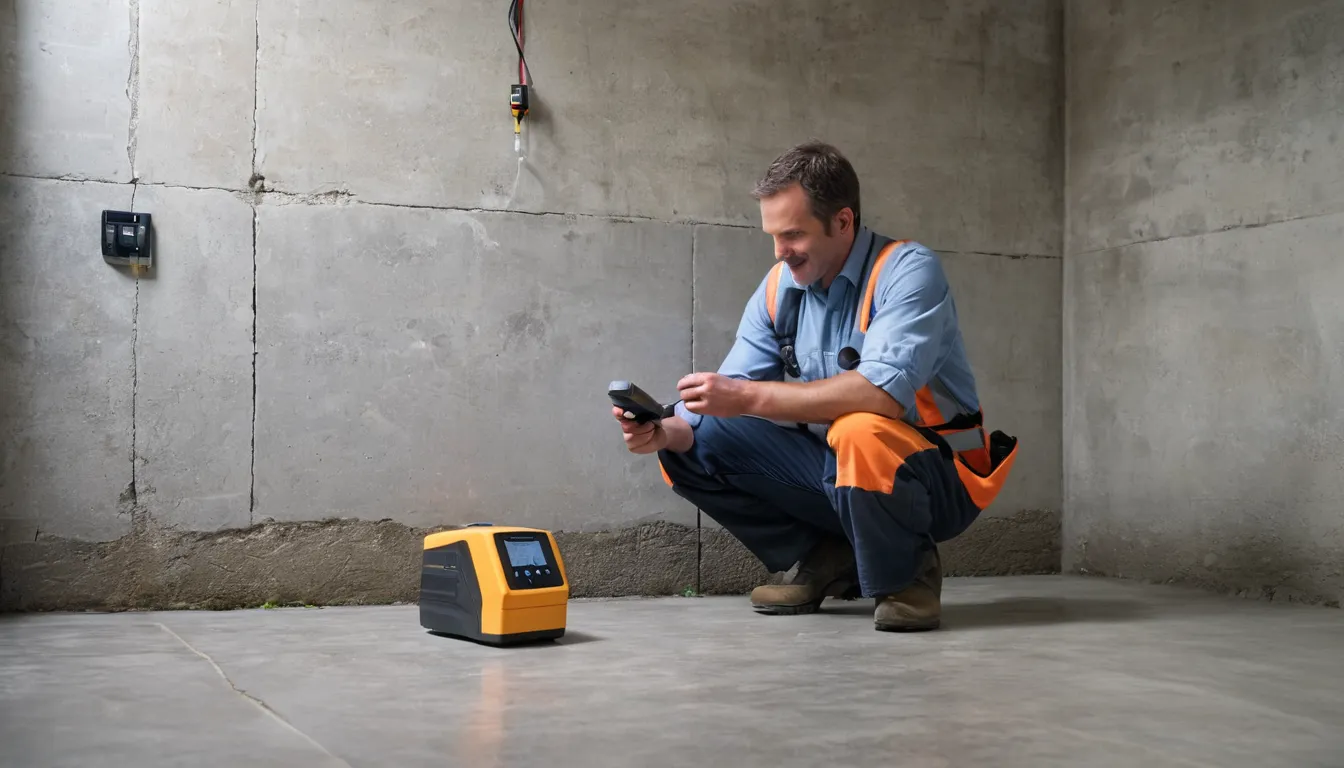
Concrete wears down. Cold winters, road salt and spring snowmelt all take a toll. A coating seals the surface and makes it easier to clean. It also gives the floor a finished look.
Older homes need extra care. Slabs may hide old patches, past paint or moisture. Onceagents Floor Coating is a referral service. We connect you with independent providers in our network who look at the slab first, then explain what will work. They do the work. You get a written quote and a plain answer.
Concrete Showing Wear? Start Here
Short answer: deal with it early. Dusting, flaking and pitting spread. A coating on a sound slab stops that. A coating on a bad slab fails.
So look before coating. A good provider checks the floor first and tells you what they find.
Signs Your Slab Needs Attention
- Fine dust on your shoes
- Old paint that flakes or peels
- Cracks, thin or wide
- Pitting from salt and melt water
- Damp patches in spring
Any one of these is worth a look. Two or three together mean it is time to ask.
What Winter Does to Concrete
Freeze-thaw cycles open small cracks. Water gets in, freezes and pushes. Snowmelt carries salt across the floor. Coastal storms add more moisture. The surface pays for all of it.
Old Slabs Hide Things
Older houses have a history. Past repairs. Layers of old paint. Oil that soaked in decades ago. Sometimes a thin topping was poured over the original slab.
None of this shows up from across the room. A provider should find it before quoting, not halfway through the job.
Stone and block foundations add a twist. They can move moisture in ways a modern poured floor does not. Tell the provider what your house is made of.
Basement Floor Coatings
Full basements are common in older homes. Moisture is the big question. Providers usually test for it before they pick a product.
Some basements can take a coating as is. Others need a leak or drainage problem fixed first. A coating does not cure a wet floor. Ask the provider what the test showed.
Garage Floors
Garages get salt, tires and big temperature swings. Epoxy garage floors are a common pick here. Other concrete coating systems may suit your slab better.
The right choice depends on the slab, how you use the space and how much wear it sees. Let the provider explain the trade-offs.
Patio and Porch Coatings
Outdoor slabs face sun, rain and freeze-thaw. Not every coating handles that. Some are too slick when wet.
Ask about a textured finish and whether the product is made for outdoor use. Cracks should be repaired first, or they will show through.
Workshop and Shop Floors
Tools drop. Oil spills. Carts roll. A shop floor needs a tougher system than a quiet storage room.
Ask about thickness and chemical resistance. A heavier build costs more but lasts longer under hard use.
Laundry Rooms and Other Small Spaces
Laundry rooms, utility corners and back porches are small jobs. They still matter. A coating makes spills easy to wipe up and protects the slab from standing water.
In a multi-family building, check who owns the space. Shared areas may need permission first.
How the Work Is Done
The steps are simple. The prep is what counts.
- The provider cleans the floor and grinds the surface.
- Cracks and chips get repaired.
- A primer goes down.
- The coating is applied in one or more layers.
- A clear topcoat finishes it.
Cure times vary by product and temperature. Cold weather can slow things down. Your provider will give you a schedule.
Coating vs. Sealing
A sealer soaks in. It gives light protection and is thin. A coating forms a film on top. It is thicker and takes more abuse.
For a floor that sees little traffic, a sealer may be enough. For a garage, shop or busy basement, a coating usually makes more sense. Ask which one fits your floor.
Custom Floor Finishes
Color is part of it. Providers can offer solid colors, color flakes, metallic looks and textured surfaces. Custom floor finishes should match the room. A bright, glossy finish may look great in a showroom garage. A basement may need something that hides dust.
Ask to see a sample on a real slab, not just a photo.
Floor Right, Once
A floor is part of the home. Buyers notice it. A clean, even floor helps. A peeling one raises questions.
A bad coating is also costly to fix. It has to be ground off before anything new goes down. Doing it right the first time protects the house and its resale value. Keep your paperwork and product details for later.
Planning Other Floors Too?
Some providers also handle other flooring, such as hardwood flooring installation upstairs. If you are updating more than the slab, ask what they offer. It can save you from hiring twice.
Living With a Coated Floor
- Stay off it until the provider says it is ready.
- Sweep or dust mop often.
- Use a mild cleaner, not harsh chemicals.
- Wipe up spills when you see them.
- Put mats at doors to catch grit and salt.
That is about all it takes.
Questions to Ask the Provider
- How will you check for moisture?
- How do you prep an older slab?
- What do you do about old paint or past repairs?
- What product do you suggest, and why?
- How long before I can use the floor?
- Is the quote in writing?
A clear provider gives clear answers.
Where Onceagents Floor Coating Fits
Onceagents Floor Coating is a referral service. We do not do the work. We connect you with independent providers in our network who serve the Chester area. Request a callback to check provider availability, or use the request form.
What's Included
Slab Inspection First
The provider checks cracks, moisture, old paint and past repairs before suggesting any product.
Surface Preparation
Grinding and cleaning give the coating something to grip. This step decides how long it lasts.
Crack and Chip Repair
Damaged spots are filled and leveled so they do not telegraph through the finished floor.
Coating and Topcoat
Primer, color coat and a clear protective layer are applied, then left to cure properly.
Typical Concrete Coating Costs
Prices vary by slab condition, size, product and region. These are typical U.S. ranges only. Older slabs often need extra repair work. Always get a written quote from the provider before work starts.
| Item | Typical range | Notes |
|---|---|---|
| Sealer only (per sq ft) | $1 – $4 | Thin protection for light-use floors |
| Basic coating (per sq ft) | $3 – $7 | Common for garages and basements |
| Heavy-duty or flake system (per sq ft) | $6 – $12 | Thicker build, more wear resistance |
| Crack and spall repair | $200 – $1,500 | Depends on how much damage there is |
| Moisture testing | $100 – $500 | Useful for basements and older slabs |
| Two-car garage, total | $1,500 – $5,500 | Size and prep drive the final price |
How It Works
Tell Us About It
Request a callback to check provider availability, or send the request form with a few details about your floor.
Provider Looks Closely
A local provider inspects the slab and checks for moisture and past repairs.
Review Your Quote
You get a written quote that explains the product, prep and timeline.
Floor Gets Coated
The provider preps, coats and finishes the slab, then explains care and cure time.
Why Call Onceagents Floor Coating
Older Homes Understood
Providers in our network know that older slabs hide patches, old paint and moisture.
Look First
A real inspection comes before the quote, so surprises show up early.
Plain Answers
You get short, clear explanations of what the slab needs and why.
Protects Value
A well-done floor protects the home and supports its value when you sell.
Other Services
Need concrete floor coating in Chester?
Request a callback to ask about provider availability, or send a request for an estimate. Tell us about your floor and we will point you to a local provider.
No obligationConcrete Floor Coating FAQ
How long does a concrete floor coating last?
It depends on the product, the prep and how the floor is used. Well-prepped floors in light use can last for years. Heavy traffic and moisture problems shorten that. Ask the provider what to expect.
Can you coat an old concrete floor?
Often yes. The slab has to be sound, clean and dry enough. Old paint, oil and past patches need attention first. A provider can inspect the floor and tell you.
Is concrete coating the same as sealing?
No. A sealer soaks into the surface and gives light protection. A coating forms a thicker film on top. Coatings handle heavier wear. Ask the provider which one fits your floor and your budget.
Tell us what happened
Request a callback to ask about provider availability, or send a request for an estimate. Tell us about your floor and we will point you to a local provider.
No obligation