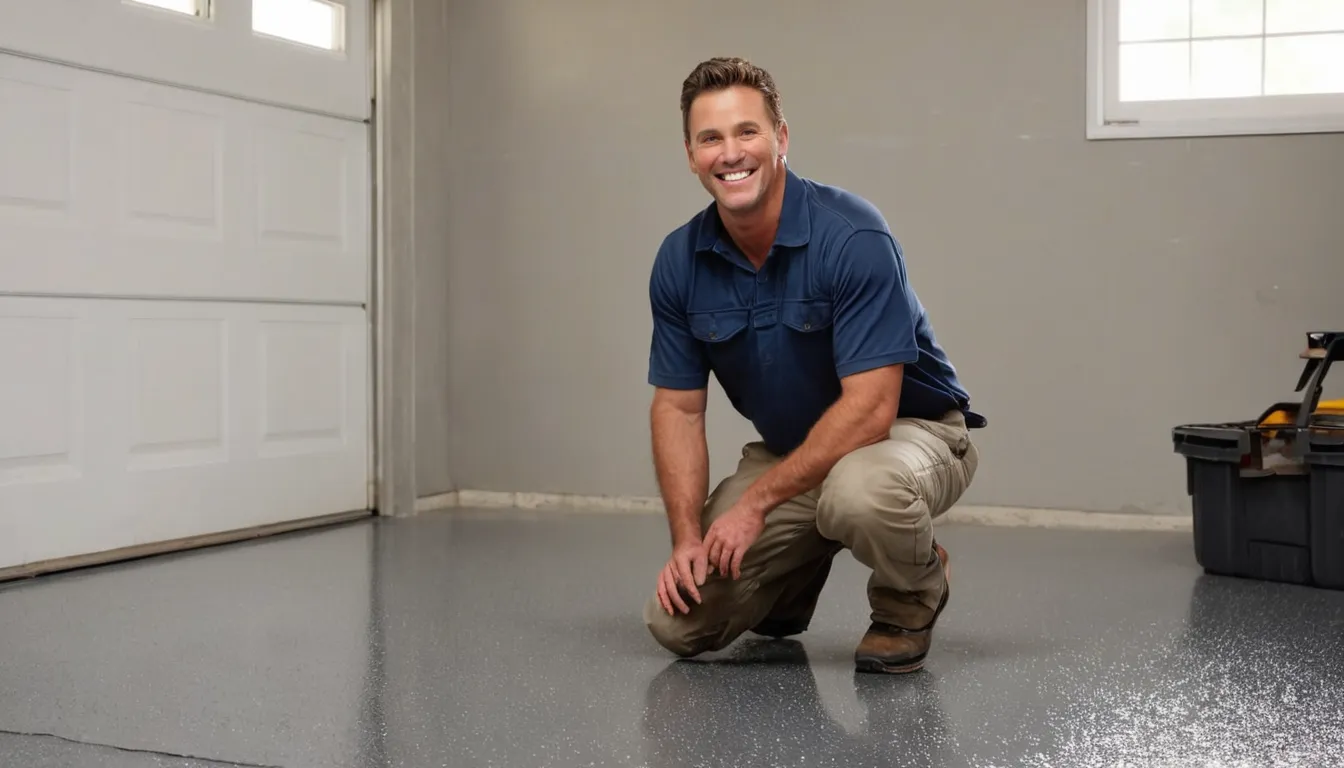
Epoxy garage floors turn a dusty, stained slab into a hard surface that is easy to sweep. The coating bonds to prepared concrete. It stands up to oil, road salt, tire marks and winter grit. It also brightens the space.
Onceagents Floor Coating connects homeowners in Chester and the Chester area with independent providers in our network. We do not do the work ourselves. We make the introduction. Older garages need extra care. Old patches, past sealers, cracks and damp spots all change the plan. A good provider looks at the slab first. Then they explain the options and give you a written quote. You pick a finish that fits how you use the space, whether that means parking, a workshop or a home gym. If you want answers before you decide, start with a call or an estimate request.
Garage Floor Getting Worse? Start Here
Short answer: get the slab looked at before you buy a coating. A floor that flakes, pits or feels damp can often be saved. But only if someone finds the cause first.
Epoxy garage floors work well on sound, dry concrete. They do not work as a bandage over a problem. Older garages make this harder. They carry old patches, forgotten sealers and cracks that grew over many winters.
Request a callback to check provider availability, or use the request form to ask for an estimate.
Signs You Should Move Soon
Some problems get worse every season. Deal with these first:
- Damp spots or white, chalky powder on the slab
- Cracks wider than a coin edge
- Crumbling concrete near the door
- Old paint or sealer peeling in sheets
- Salt and oil stains that keep coming back
Winter does the damage. Ice and thaw cycles work into open cracks. Road salt eats the surface. Spring snowmelt adds moisture from below. A small crack fixed now is cheaper than a broken-up slab later.
Why Prep Matters More Than the Product
The coating is not the hard part. The surface is. Most failed epoxy floors failed at the bond.
Good prep usually means diamond grinding. Grinding removes weak concrete and opens the pores so the epoxy can grip. Then the provider fills cracks, patches pits and vacuums the dust. A quick wash or light sanding rarely does the same job. Ask what method the provider uses.
What Old Slabs Hide
Older homes surprise people. A slab poured decades ago may have no vapor barrier under it. A garage beside a stone or block foundation may stay damp. Past owners may have rolled on paint, sealer or patch mix that nobody wrote down.
Look before coating. A provider can tap for hollow spots, test how an old coating holds, and check for moisture. That takes time. It also saves you from peeling in two years.
Moisture: The Quiet Deal Breaker
Epoxy seals tight. Water vapor rising from the ground pushes against it. The result is bubbles, then peeling.
A moisture test tells the provider if the slab is ready. High readings may call for a moisture-blocking primer or a different system. If a provider skips the test on an older slab, ask why.
Common Epoxy Floor Systems
Not every system fits every garage. These are the usual choices.
Solid Color
One color, rolled smooth. It is usually the simplest and most affordable option. It suits a clean, plain look, but it shows every flaw underneath.
Flake Blend
Colored chips are scattered into wet epoxy. The chips hide dirt and small flaws. They also add grip. Many owners of older, uneven slabs pick this one.
Metallic and Custom Floor Finishes
Metallic pigments swirl like polished stone. Custom floor finishes can add colors, borders and patterns. They look great, but they show a poor prep job fast.
Quartz and Heavy-Duty Builds
Thicker layers with quartz sand. They handle hard use and cover rough spots. They also cost more.
What a Typical Install Looks Like
Most jobs follow the same path:
- The provider inspects the slab and tests for moisture.
- Crews grind the surface and repair cracks and pits.
- A primer goes down, then the base coat.
- Flakes or color layers are added.
- A clear topcoat seals it all.
Most garages take a few days. Cure time varies by product and temperature. A cold garage cures slower. Keep cars off until the provider says the floor is ready.
Topcoats and UV Exposure
Standard epoxy can yellow in strong sun. A garage with big windows or a door left open sees more of it. Many providers add a UV-stable topcoat, such as polyaspartic or urethane.
A good topcoat also resists scratches and hot tires. Ask which one is planned and why.
Getting the Garage Ready
Empty the garage. Move shelves, bikes, tools and paint cans. Tell the provider about past leaks, old repairs and big spills. Plan where the cars will park for a few days.
In cold months, ask how the provider will keep the space at a steady temperature. Coatings need that to cure well.
Caring for Your New Floor
Keep it simple. Sweep often. Mop with a mild cleaner. Wipe up spills when you see them. Rinse off winter salt before it dries into a crust.
Avoid harsh acids. Use pads under jack stands and heavy tool chests. Small habits keep the shine for years.
Protecting Your Home's Value
Floor right, once. Buyers notice a garage floor. A clean, solid one says the house was kept up. A peeling one makes them wonder what else is hidden.
Keep your paperwork. Save the written quote, the product names and notes about repairs. If you also plan hardwood flooring installation inside the house, ask about timing so dust and traffic do not collide.
Questions to Ask the Provider
Bring this list to the first visit:
- How will you prep the slab?
- Will you test for moisture?
- What system and topcoat do you suggest for my garage?
- How do you handle old coatings and patches?
- What does the written quote include?
- When can I drive on the floor?
Clear answers are a good sign. Vague answers are a reason to keep looking.
What's Included
Slab Inspection
A provider checks cracks, patches and old coatings before suggesting any system.
Moisture Testing
Readings show whether the concrete is dry enough to hold a coating for years.
Grinding and Repairs
Weak concrete is ground off and cracks and pits are filled before coating starts.
Sealed Topcoat
A clear final layer protects against salt, tires, scratches and sun.
Typical Epoxy Garage Floor Costs
Prices vary by slab condition, garage size and finish. These are typical U.S. ranges only. Older slabs often need more repair work. Always get a written quote that lists prep, materials and topcoat.
| Item | Typical range | Notes |
|---|---|---|
| Basic epoxy, per sq ft | $3 – $7 | Solid color on a sound slab |
| Flake or quartz system, per sq ft | $6 – $12 | More layers, more labor |
| Two-car garage, full job | $1,500 – $5,000 | Depends on size and finish |
| Crack and pit repair | $200 – $1,000 | Older slabs often need more |
| Old coating removal, per sq ft | $1 – $3 | Needed if paint or sealer is failing |
| Moisture test or primer | $50 – $500 | Test is low; blocking primer adds cost |
How It Works
Call or Request
Request a callback to check provider availability, or send an estimate request through the form.
Get Matched
We point you to an independent provider who serves your area.
Slab Walkthrough
The provider inspects the floor, tests moisture and explains your options.
Compare and Decide
Review the written quote, ask your questions and choose the finish that fits.
Why Call Onceagents Floor Coating
Look First
Providers in our network check the slab before pricing, so surprises show up early.
Old-House Care
Past patches, damp walls and aging concrete are treated as part of the job.
Clear Quotes
Ask for a written quote that lists prep, materials and topcoat.
Lasting Value
A floor done right once protects the garage and helps resale.
Other Services
Need epoxy garage floors in Chester?
Request a callback to ask about provider availability, or send a request for an estimate. Tell us about your floor and we will point you to a local provider.
No obligationEpoxy Garage Floors FAQ
How long does an epoxy garage floor last?
It depends on prep, product and use. A well-prepped floor with a good topcoat can last many years. Poor prep, moisture or harsh salt exposure can shorten that. Ask the provider what to expect for your slab.
Can you epoxy an old garage floor with cracks?
Often yes, after repairs. Providers usually fill cracks and patch pits first. Deep cracks, heaving or damp slabs may need extra work. A provider can look at the floor and tell you what is realistic.
Why is my epoxy garage floor peeling?
Peeling usually points to weak prep, moisture rising through the slab, or an old sealer underneath. Hot tires can also lift thin coatings. A provider can test the slab and explain the cause.
Tell us what happened
Request a callback to ask about provider availability, or send a request for an estimate. Tell us about your floor and we will point you to a local provider.
No obligation