Polyaspartic Floor Coating From Local Providers
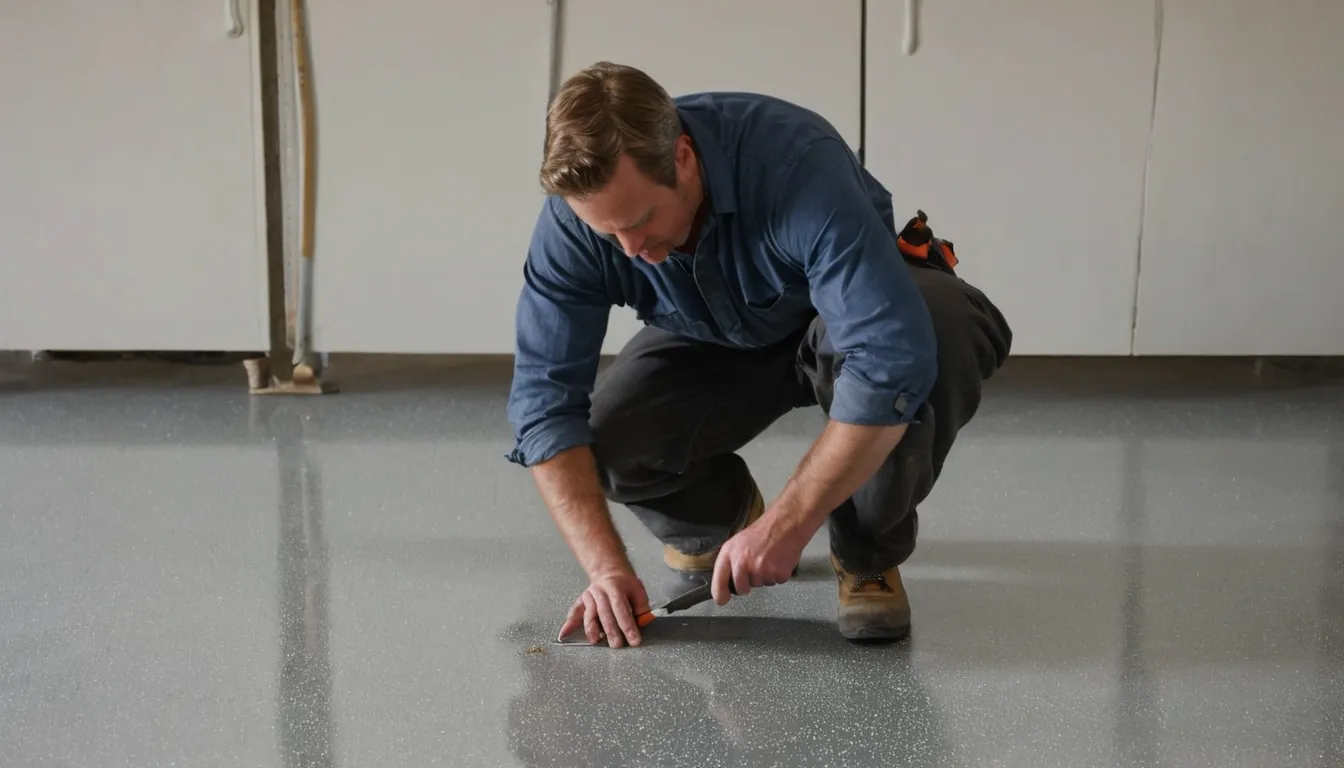
Polyaspartic is a tough floor coating that cures quickly. It resists UV light, so it does not yellow in a sunny garage. It also handles cold better than many coatings. That suits homes with snowy winters and freeze-thaw swings.
Onceagents Floor Coating is a referral service. We do not do the work. We connect homeowners in the Chester area with independent providers in our network. Older slabs hide cracks, old patches and moisture. A good provider looks before coating. Then you get a clear plan and a written quote. Floor right, once.
Short Answer: Is Polyaspartic Right for You?
Often, yes. It is a strong pick for garages that see cold, salt and sun. It is not magic, though. The slab under it decides how well it lasts.
A local provider can check your floor and tell you straight.
Need Your Garage Back Quickly?
Polyaspartic cures faster than most epoxy. Many jobs wrap up in a day or two. Epoxy often needs more time between coats.
That helps if your car lives outside during the job. Ask the provider for a real schedule for your floor. Timing depends on the slab, the weather and the system.
How It Differs From Epoxy
Both are two-part coatings. Both bond to concrete. They act differently, though.
- Cure time: polyaspartic is faster.
- Sunlight: polyaspartic resists yellowing. Epoxy can fade or amber.
- Flexibility: polyaspartic handles temperature swings well.
- Working time: polyaspartic sets quickly, so the installer must move fast.
Many providers use both. Epoxy goes down as a base. Polyaspartic goes on top.
Full Polyaspartic or Hybrid System?
A full system uses polyaspartic in every coat. A hybrid uses epoxy first, then a polyaspartic topcoat.
Hybrid often costs less. Full can cure faster. Ask which fits your slab and budget. A good provider explains why, not just what.
Look Before Coating: Older Slabs
Old garages hide surprises. Past repairs, patched cracks, oil stains and sealers from decades ago can block a coating. Some slabs sit on older fill or have thin spots.
A provider should check these things before quoting:
- Cracks, spalls and old patches
- Moisture coming up through the slab
- Old paint, sealer or glue
- Settling or uneven spots
- Rust stains from old metal
Old slabs, honest answers. If a provider skips this, ask why.
The Installation Process
The steps are simple. The prep is the hard part.
Prep and Repair
The provider grinds the surface and fills cracks. Dust gets cleaned up well. Poor prep is the top cause of peeling.
Base and Color
A base coat goes down first. Flakes get broadcast into it if you want a speckled look.
Topcoat and Cure
The polyaspartic topcoat seals everything. It cures fast, then you wait before driving on it. The provider will tell you how long.
Weather and Timing
Cold snowy winters are hard on garage floors. Salt, slush and freeze-thaw cycles all take a toll. Polyaspartic can cure in cooler temperatures than many coatings. That gives you more calendar options.
Still, damp slabs cause trouble. Spring snowmelt and coastal storms can push moisture into a basement or garage floor. Ask the provider to test moisture first.
Where Polyaspartic Works Well
- Attached and detached garages
- Workshops and sheds
- Covered patios and porches
- Basement floors that test dry
- Laundry and utility areas
It is a coating, not a repair for a failing slab. Deep cracks or heaving need fixing first.
Colors and Flake Blends
Pick flake blends in mid-tones. They hide dirt and tire marks. Solid colors look clean but show dust. Ask to see a sample in your own garage light.
Custom floor finishes are possible. Some providers offer metallic looks or accent borders. Keep it simple if resale matters.
Protecting Your Home's Value
A clean, sealed floor helps a garage look cared for. Buyers notice. A cheap, rushed job that peels does the opposite.
Doing it right protects the house. Floor right, once.
Caring for the Floor
Upkeep is easy.
- Sweep or dust mop often.
- Wash with mild cleaner and a soft mop.
- Wipe up spills.
- Rinse off road salt in winter.
- Use mats under hot tires if the provider suggests them.
Questions to Ask the Installer
- How will you prep my slab?
- Will you test for moisture?
- Is this a full or hybrid system?
- What is the cure time before I drive on it?
- What does the written quote cover?
What's Included
Slab Check
The provider looks at cracks, patches and moisture before quoting the job.
Surface Prep
Grinding and crack repair come first so the coating bonds well to the concrete.
Coating System Options
Choose a full polyaspartic system or a hybrid with an epoxy base and topcoat.
Finish Choices
Pick solid colors, flake blends or custom looks that suit your garage.
Typical Polyaspartic Coating Cost Ranges
Prices vary a lot by slab condition, size and system. These are typical U.S. ranges only. Older slabs often need extra repair. Always get a written quote from the provider.
| Item | Typical range | Notes |
|---|---|---|
| Two-car garage, hybrid system | $3,000 – $6,000 | Epoxy base with polyaspartic topcoat |
| Two-car garage, full polyaspartic | $4,000 – $8,000 | Faster cure, higher material cost |
| Per square foot, installed | $5 – $12 | Varies by finish and prep |
| Crack and spall repair | $200 – $1,500 | Older slabs often need more |
| Old coating or sealer removal | $300 – $1,500 | Depends on thickness and type |
| Decorative flake or custom finish | $1 – $4 per sq ft | Adds to the base price |
How It Works
Call or Request
Request a callback to check provider availability, or send the estimate request form.
Get Matched Locally
We connect you with an independent provider in our network near you.
Floor Inspection and Quote
The provider checks your slab and gives you a written quote.
Provider Does the Work
The independent provider preps, coats and walks you through the care steps.
Why Call Onceagents Floor Coating
Older Home Know-How
Providers in our network can account for aging slabs, past repairs and hidden problems.
Straight Answers
You get plain talk about what your floor needs, nothing padded.
Written Quotes
Ask each provider for a written quote so you can compare the details.
Home Value
A well-done floor helps your garage look cared for.
Other Services
Need polyaspartic floor coating in Chester?
Request a callback to ask about provider availability, or send a request for an estimate. Tell us about your floor and we will point you to a local provider.
No obligationPolyaspartic Floor Coating FAQ
How long does polyaspartic floor coating take to cure?
It cures faster than most epoxy. Many garages are ready for foot traffic within a day, and cars soon after. Exact timing depends on the system, the slab and the weather. Ask your provider for a schedule.
Is polyaspartic better than epoxy for a garage?
It depends on your needs. Polyaspartic cures faster and resists sun yellowing. Epoxy often costs less. Many providers combine both in a hybrid system. Ask what suits your slab.
Can polyaspartic go over an old concrete floor?
Often yes, if the slab is sound and prepped well. Old patches, sealers and moisture can cause trouble. A provider should inspect the floor and explain any repairs before coating.
Tell us what happened
Request a callback to ask about provider availability, or send a request for an estimate. Tell us about your floor and we will point you to a local provider.
No obligation